04Movies
Movies
Online seminars and other videos
Online seminars and other videos
Members Only
Videos are available to general members of ICT Rehabilitation Research Lab (NPO) (annual fee: 7,000 yen).
Become a general member of ICT Rehabilitation Research Lab (NPO)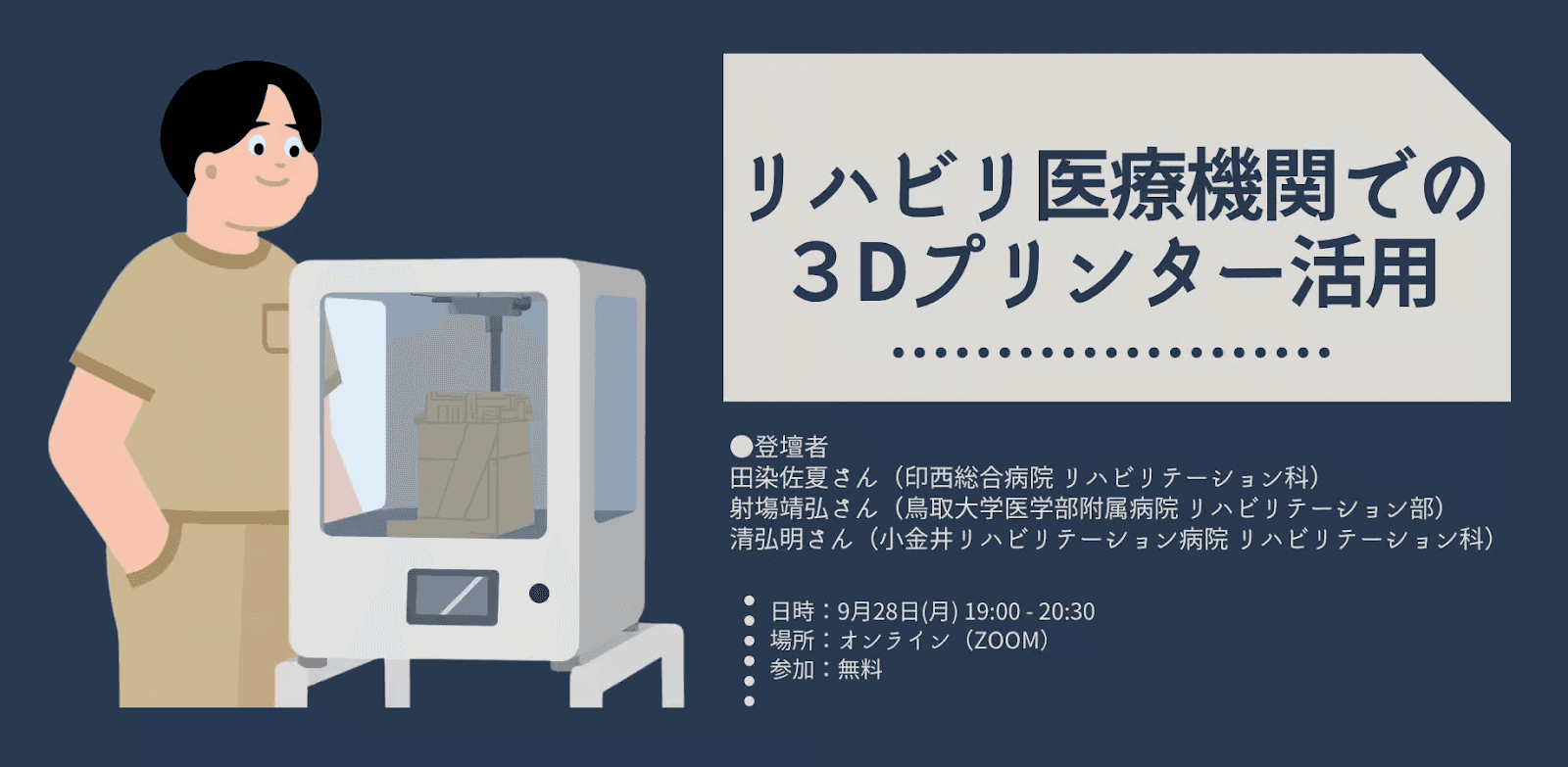
The use of 3D printers is expanding in rehabilitation settings at medical institutions. ・How did you introduce and use them? ・What about the cost and the changes after introduction? ・What do you make, and how do you grow communities inside and outside your facility? We have invited back the three speakers from last year to share how the process has evolved from introduction to widespread adoption.
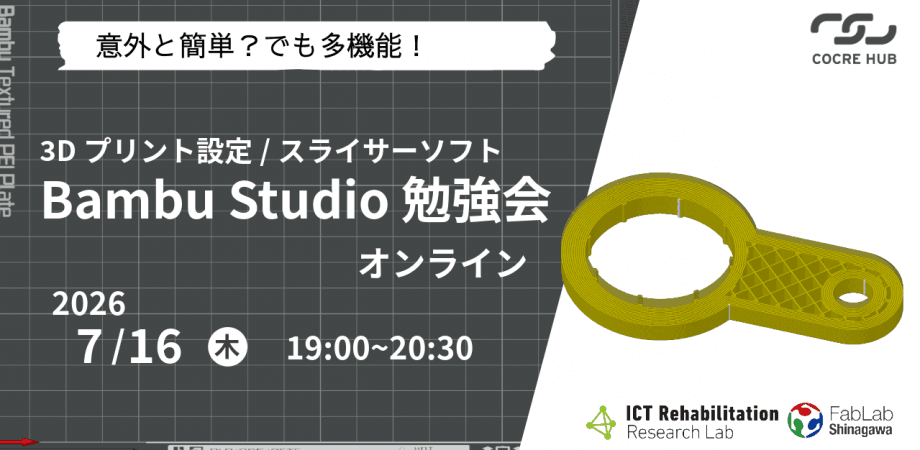
A study session on "Bambu Studio," one of the "slicer" programs used to configure 3D prints. Let's learn the basics and the latest updates together.
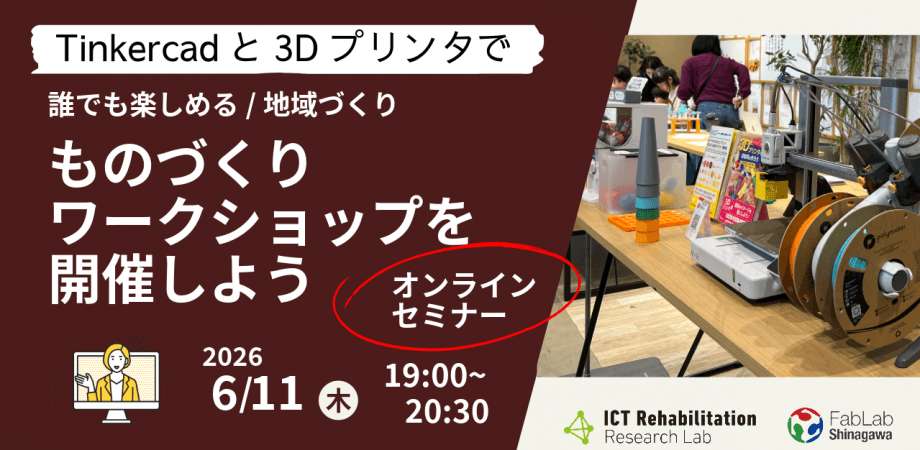
We will cover creating 3D models with "Tinkercad," a CAD program that is free to use in the browser, and holding workshops with 3D printers, sharing examples and practical operational points. We will share ideas for making it enjoyable for any kind of participant. If you are taking on community building with 3D printers, or would like to try it, we look forward to your participation!
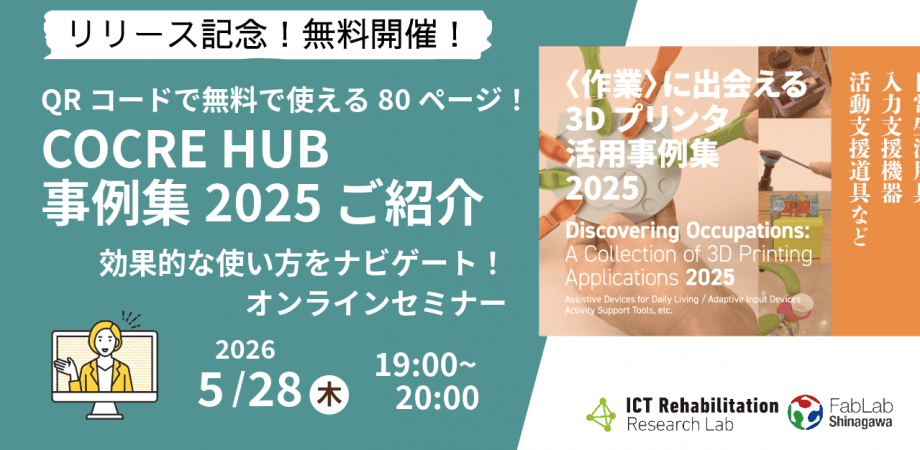
80 new cases were added in 2025 to "COCRE HUB (Kokuri Hub)," the platform for making self-help devices with 3D printers! We will explain the background of the new Case Collection of self-help device 3D models, all of which can be downloaded and used for free, introduce its categories and items, and guide you on how to use it effectively. It is actually very useful even if you don't own a 3D printer!
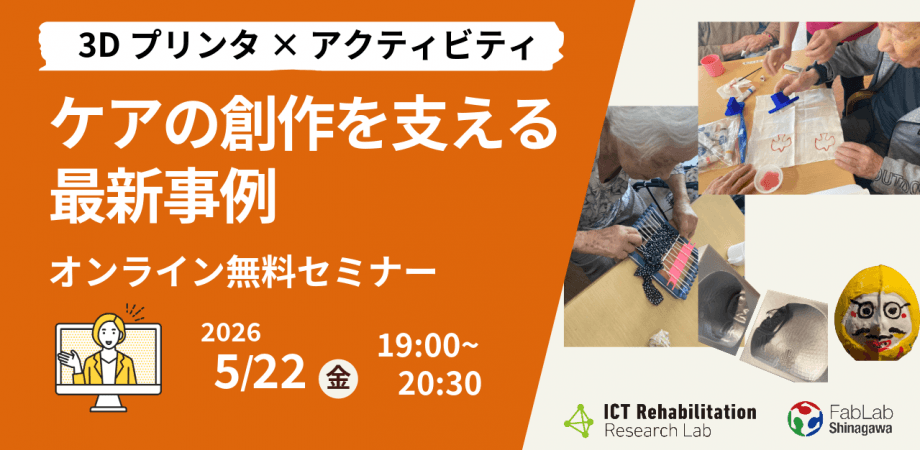
In rehabilitation and care settings, 3D printers are a powerful partner for creating "tools optimized for each individual." This time, three practitioners will present on the expanding "applications of 3D printers to creative activities and recreational activities." We hope you will learn from the cases together about using 3D printers not as a "special technology" but as "tools that enhance and support the creativity of the people involved," leading to better use in the field.
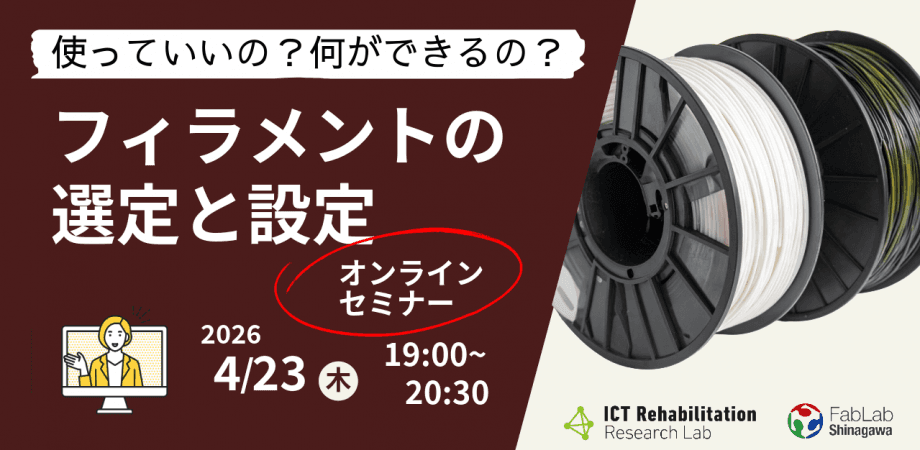
Filament is the material for 3D printers. Filaments with a wide variety of types and properties are coming onto the market one after another. Can I use it with the 3D printer I have now? What are the right combinations with applications? What should I do, and what must I not do? And so on. This seminar will clear up your worries about using filament all at once. Let's use materials correctly and make the most of the possibilities of 3D printers.
The use of 3D printers is expanding at vocational schools, universities, and other institutions that train occupational therapists. How can they be used effectively, with a ripple effect on collaboration with the community and other facilities? In which subjects? In what kind of rooms? What are students making? We created a venue for exchanging information, with presentations of actual cases of 3D printer use.
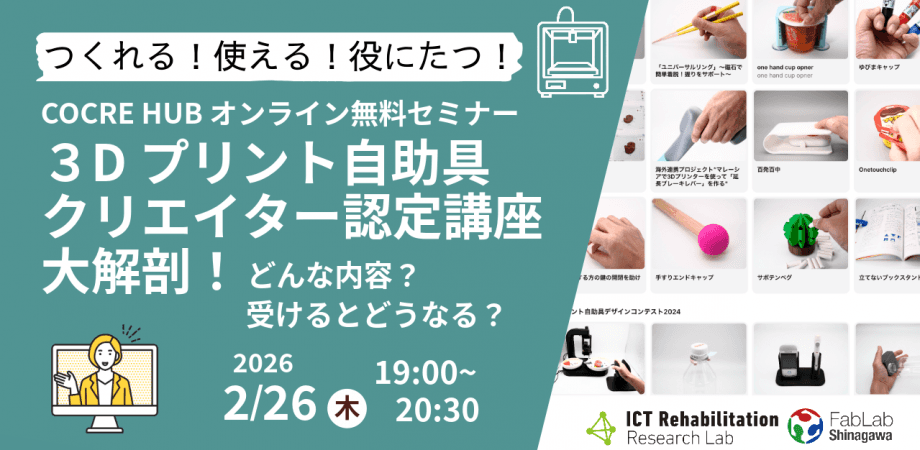
We held an information session on the on-demand "3D Printed Self-Help Device Creator Certification Course" linked with COCRE HUB, covering what you can learn, the practical assignments, newly added items, and the process leading up to enrollment. It also includes participants' voices, the effects of taking the course, and what they have done afterward. Recommended for those considering enrolling, and for those who want to hear and see an inside look at how the program works and what it contains.
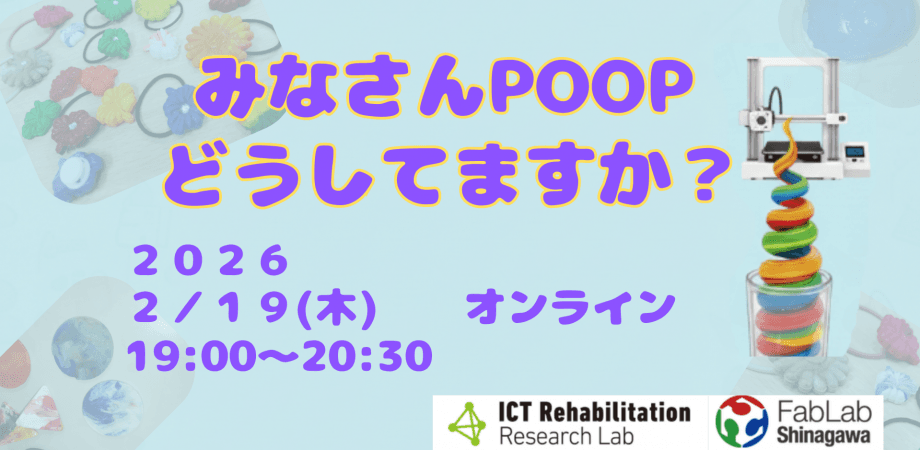
When using a multicolor 3D printer, the waste produced at filament changes, the "POOP" (purge waste), is unavoidable. We will put the spotlight on that "POOP," introduce ideas for recycling it, and share cases with participants. We hope to think together, in a fun way, about whether "this might also be an activity that leads to a circular economy"!
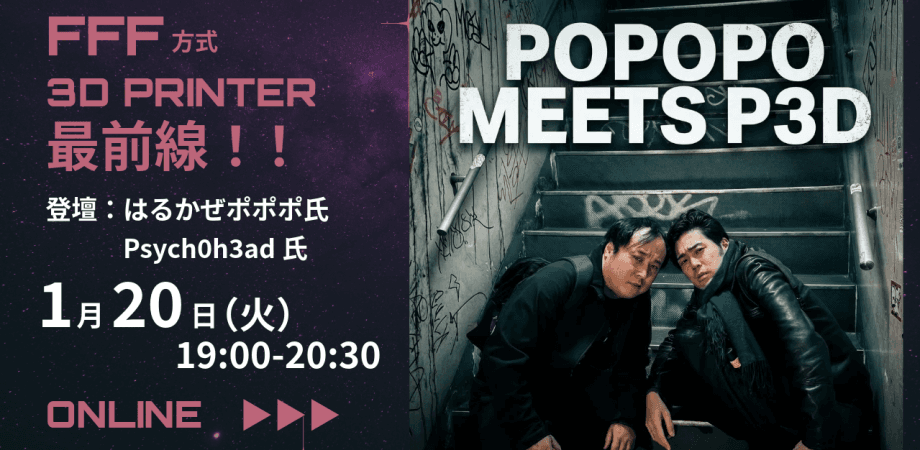
We planned this to hear about the frontline of fused filament fabrication (FFF) 3D printers from two very knowledgeable speakers! A must for FFF 3D printer users in Japan! What makes a better 3D printer? What should the future of 3D printers be? Let's talk together about tomorrow's AM (additive manufacturing).
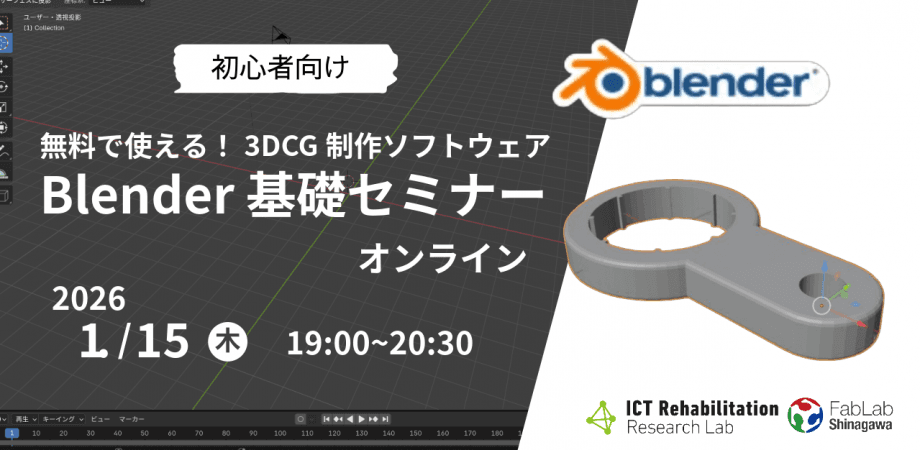
A basic seminar on "Blender," free 3DCG software. It is for people who want to know how to get started and for beginners who want to learn. Blender is a powerful tool recommended for everyone from those just starting 3D creation to professionals. Let's start learning together on this occasion.
A video of activity reports from branches of the ICT Rehabilitation Research Lab (NPO) across Japan. It was recorded at the on-site and online event held on December 22, 2024.
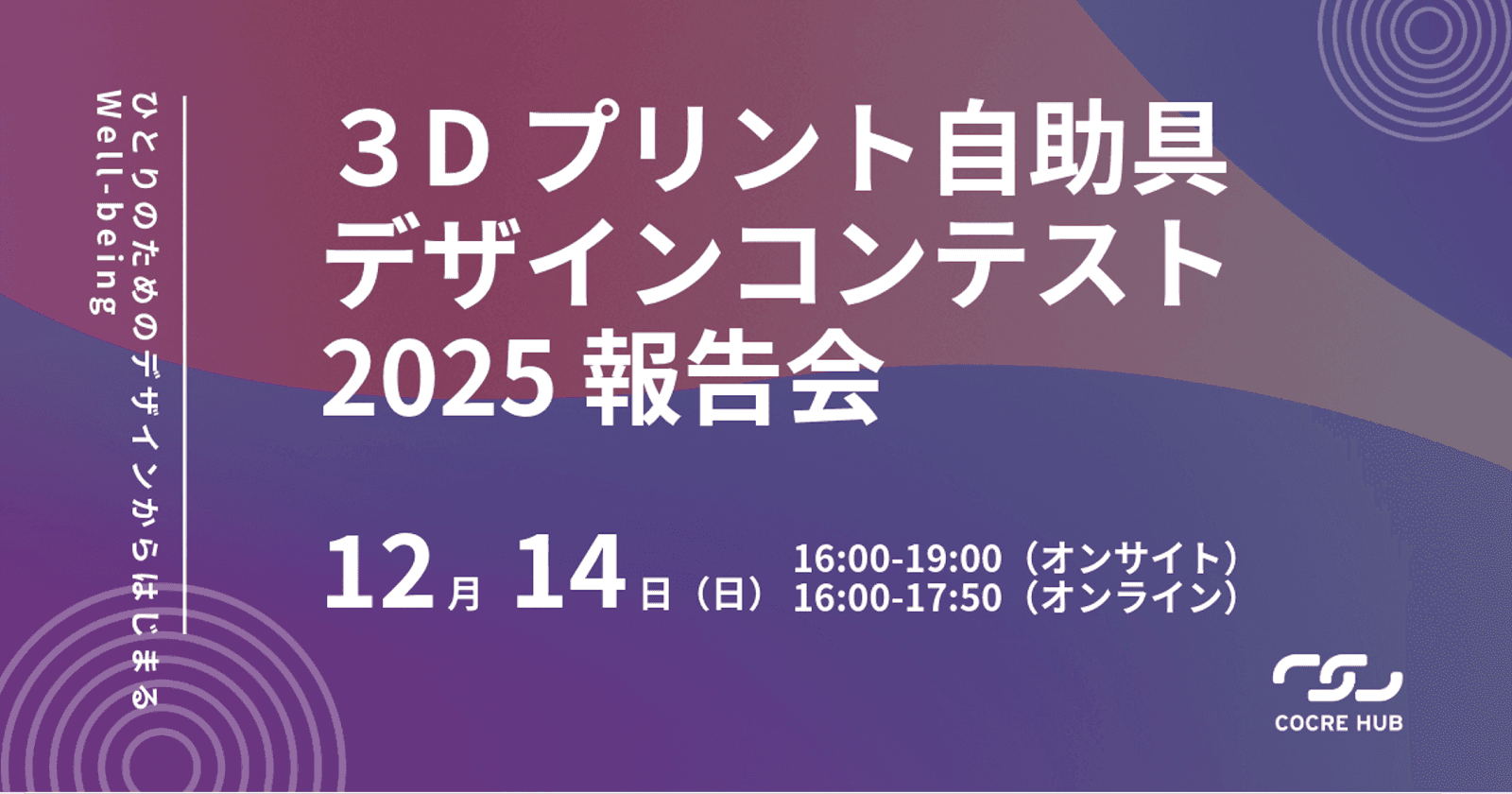
This is the archive of the event held on December 14, 2025. It features presentations by the 8 finalist and award-winning teams of the 3D Printed Self-Help Device Design Contest 2025.
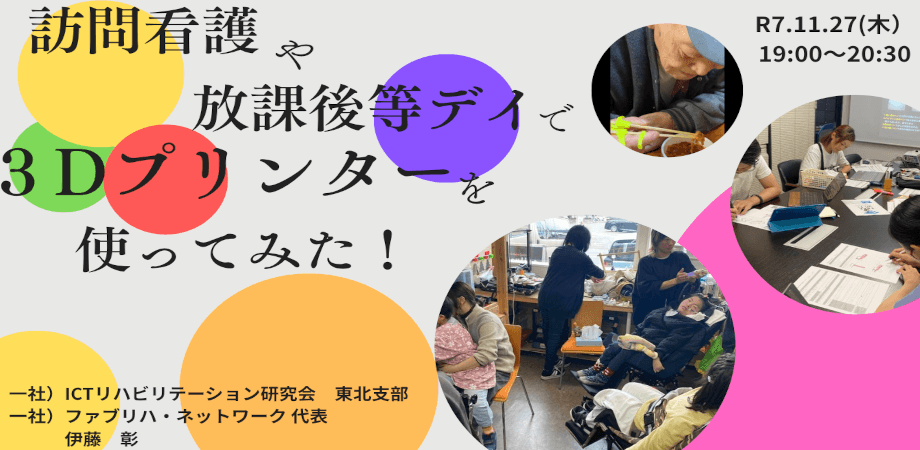
This is a story of trial and error on how home-visit nursing stations and after-school day service providers use 3D printers as a strength, as a unique service that sets them apart from other providers.
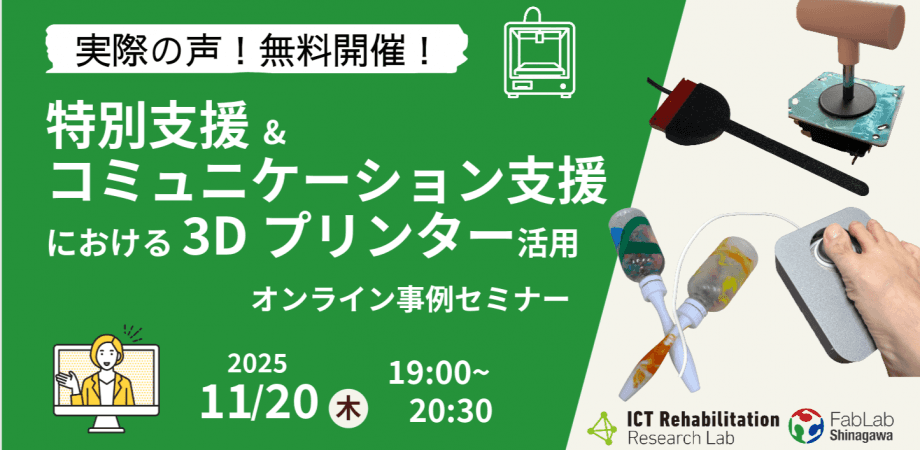
The use of 3D printers is expanding in special needs education and communication support for people with disabilities. What do you make, and for whom? How is fit actually evaluated? Are there ways to draw out needs, and points to be careful about? And so on. We created a venue for exchanging information, with presentations of actual cases of use.
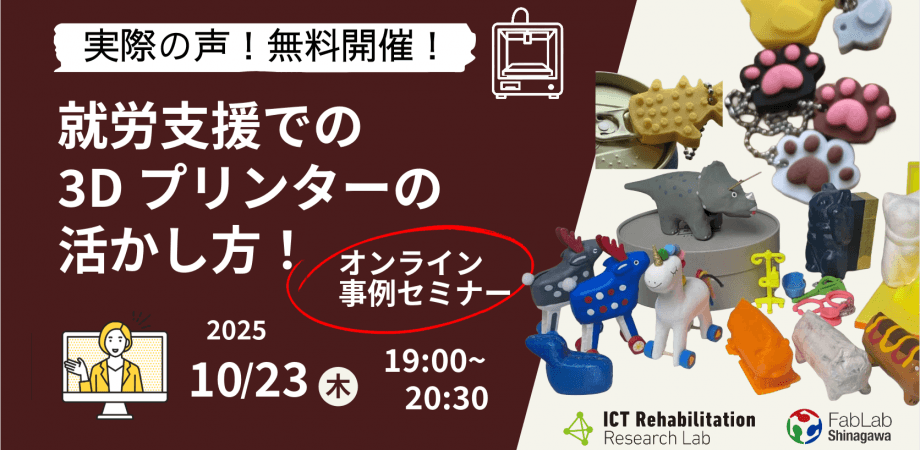
The use of 3D printers is expanding at employment support facilities for people with disabilities. What do you make? How do you use them? What about skill acquisition and the division of roles? And so on. We exchanged information through presentations of actual cases of use!
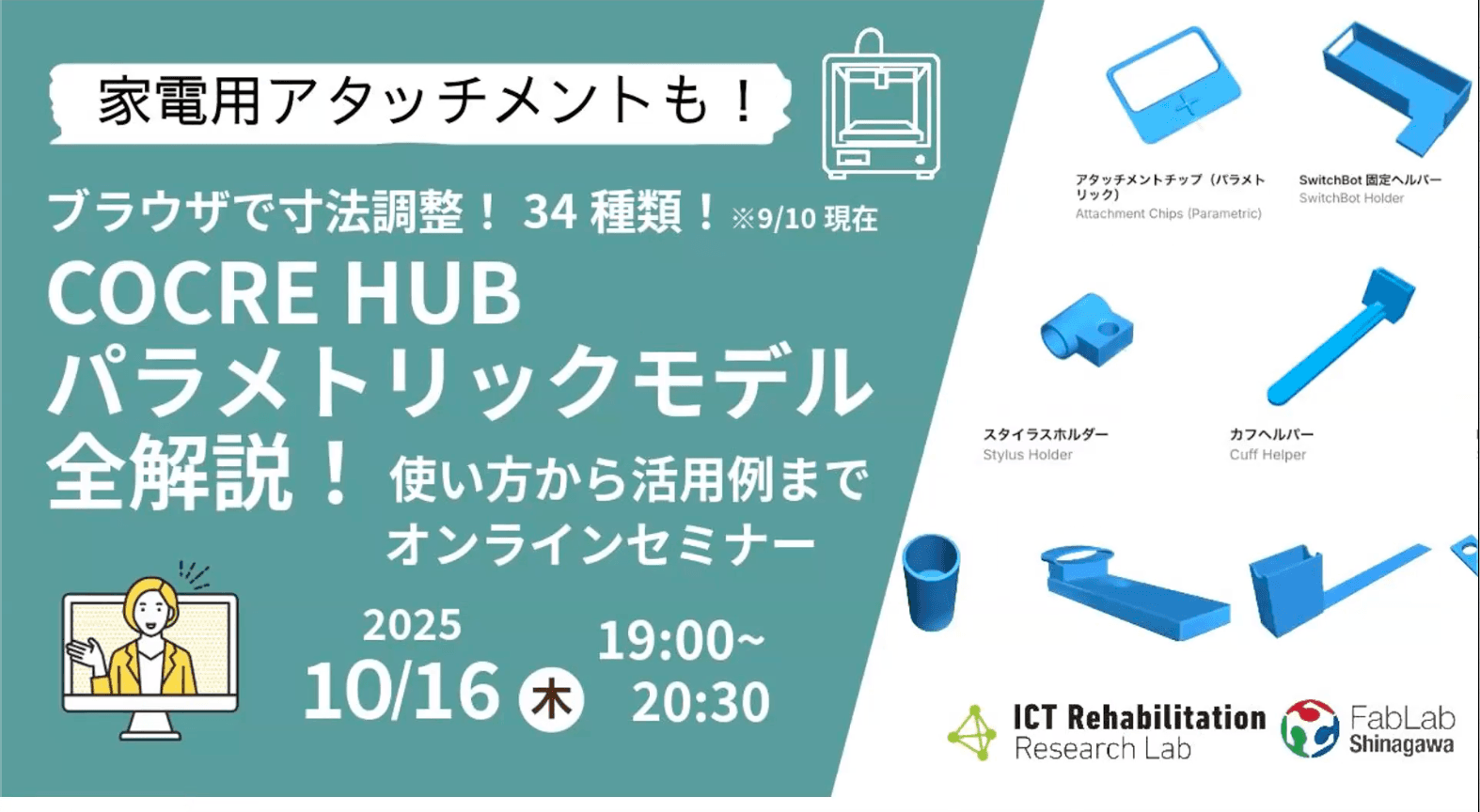
Parametric models let you generate customized 3D models with adjusted dimensions on the "COCRE HUB (Kokuri Hub)" platform. Including Panasonic's attachment chips, there are 34 of them, making this a free self-help device customization service of a scale unmatched anywhere in the world. This time, we will explain COCRE HUB's parametric models. It is a chance to deepen your understanding of their uses and recommended settings, especially for recently updated models, and to make effective use of them.
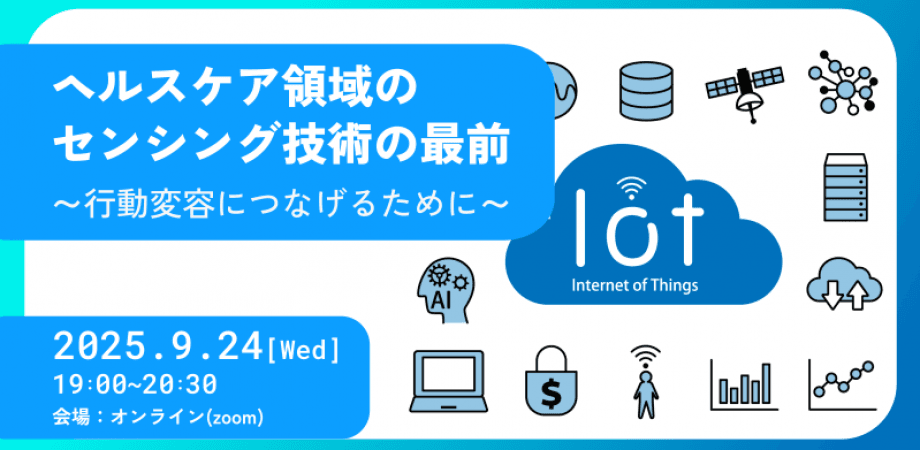
Learn about the latest sensing technologies related to healthcare, and think together about how to use them and the process leading to behavior change.
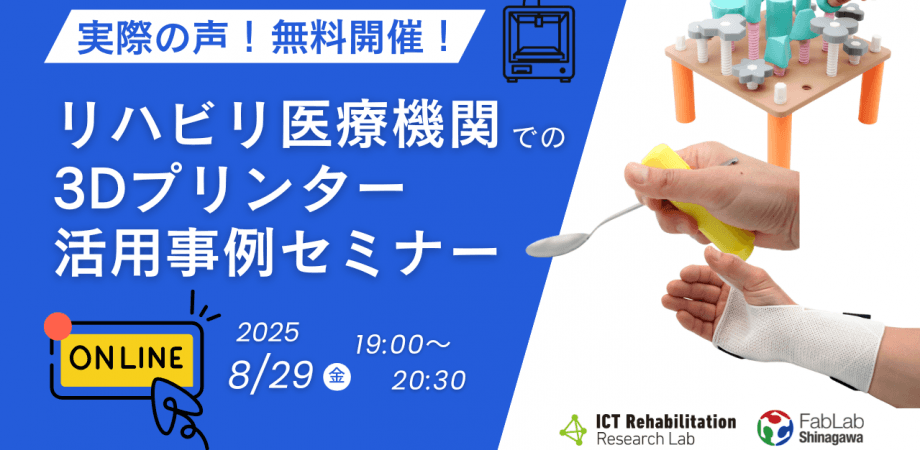
The use of 3D printers is expanding in rehabilitation settings at medical institutions. How did you introduce and use them? What about the cost and the changes after introduction? What do you make, and how do you grow communities inside and outside your facility? We would like to create a venue for exchanging information, with presentations of actual cases of use. We look forward to participants from many fields! [Speakers] Yasuhiro Iba (Rehabilitation Department, Tottori University Hospital) Saka Tazome (Rehabilitation Department, Inzai General Hospital) Akira Kiyohiro (Rehabilitation Department, Koganei Rehabilitation Hospital)
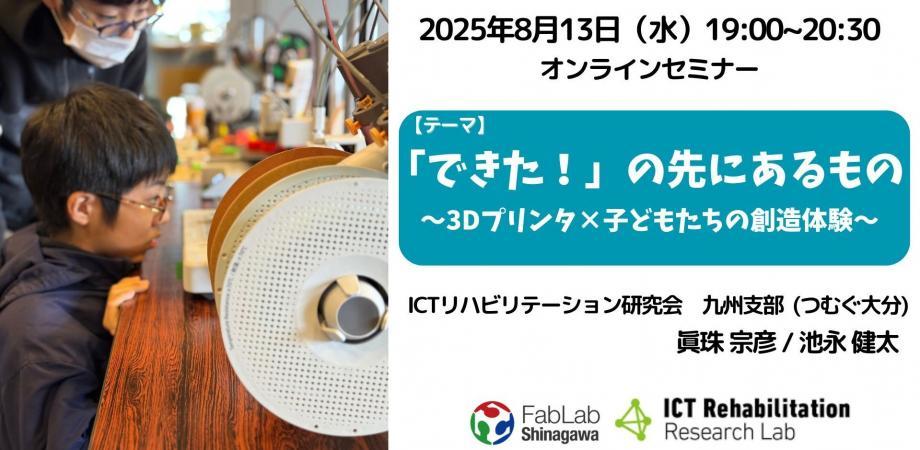
We have been running workshops for children since the summer of 2024, and many parents and children join every session. Through making things with a 3D printer, children gain significant learning and discoveries, and changes in their everyday thinking and behavior have been reported. In this session, we will focus on reports from these workshops, what we have learned, and our vision for the future.
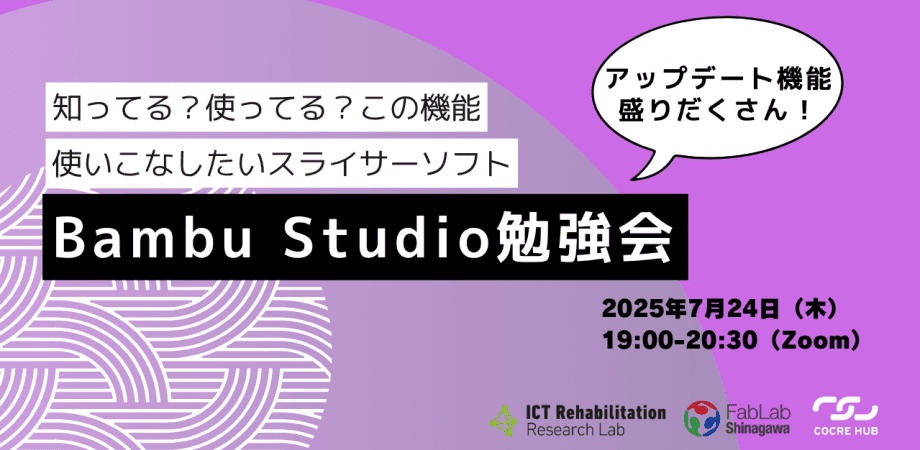
A study session on Bambu Studio, the increasingly popular 3D printing settings (slicer) software. We will share information including integration with Maker World and the latest updates. Let's deepen our knowledge together.
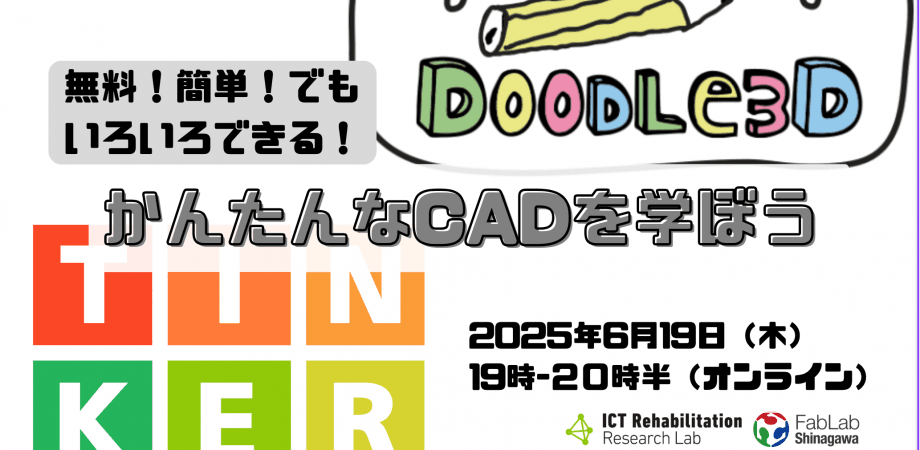
An introduction and overview of how to use free, intuitive 3D modeling software. We will introduce Tinkercad and Doodle3D, comprehensively explain their latest features and handy tips, and answer your questions. A must-see for anyone who wants to try creating original models with CAD.
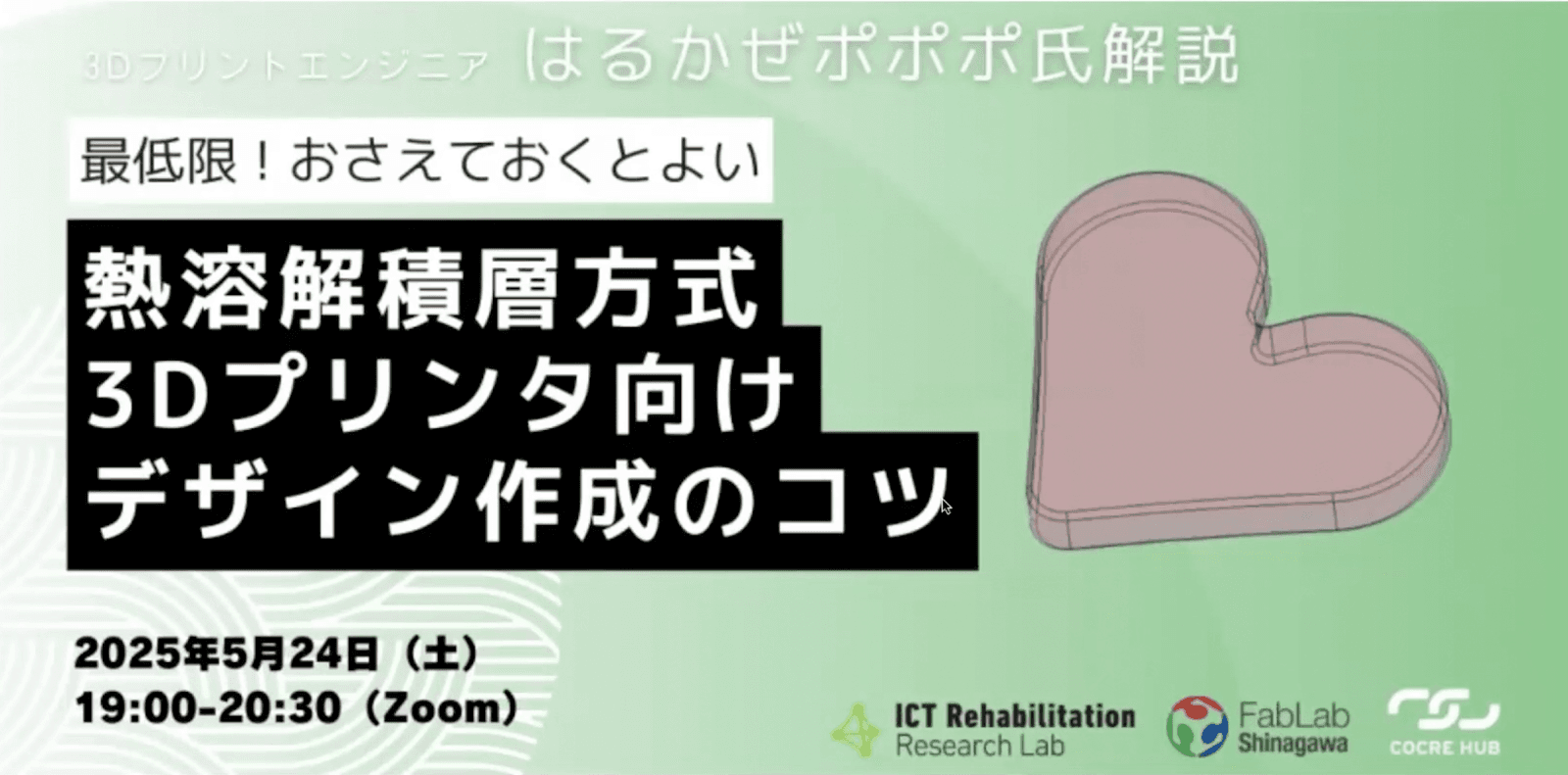
There is "design" for 3D printing. There is also "slicing" (print settings) suited to the purpose and shape. And there is design suited to "sharing." In this session, we invite Harukaze Popopo, one of the judges of the 3D Printed Self-Help Device Design Contest 2025, to explain an overview of these tips, which are useful not only for those considering entering the contest but for all 3D printer users.
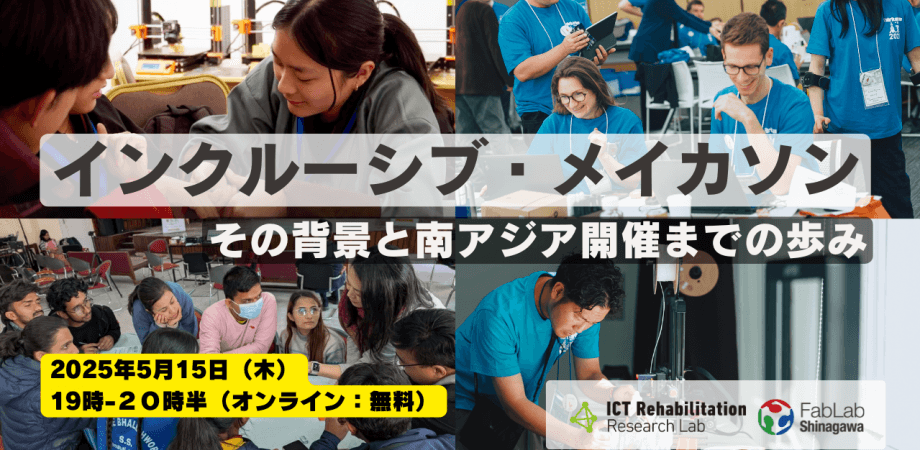
The Inclusive Makeathon makes use of digital fabrication machines such as 3D printers: teams gathered on the spot create needed tools together with people with disabilities, and the results are released as open source. We will talk about the background to how the ICT Rehabilitation Research Lab (NPO) and FabLab Shinagawa started the Inclusive Makeathon in Japan, and the journey that led to supporting events in Bhutan, Nepal, and Sri Lanka, including an actual report.
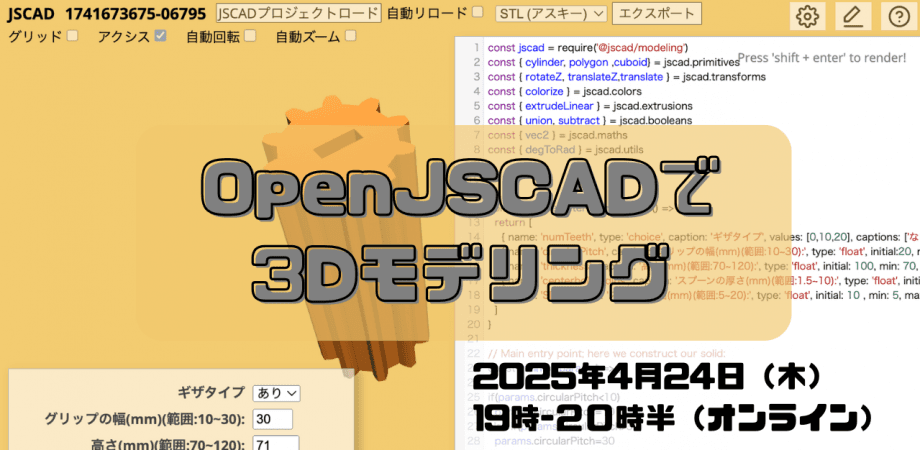
OpenJSCAD is an open-source tool for script-based modeling (https://openjscad.xyz/). This session is for people who want to dig in and learn together, from basic operations to advanced use.
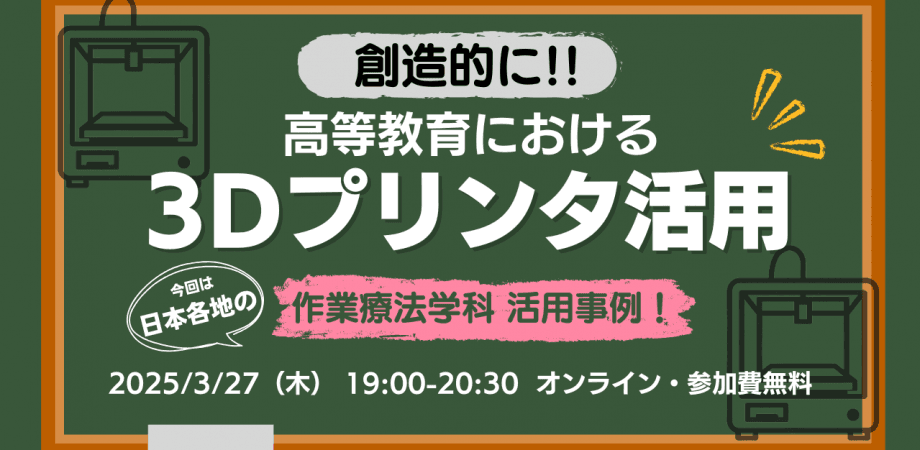
[Using 3D Printers in Higher Education: Case Studies from Occupational Therapy Departments] The use of 3D printers is expanding at universities and other schools that train occupational therapists. How can they be used effectively, with a ripple effect on collaboration with the community and other facilities? In which courses? In what kind of rooms? What are students making? We held this free event to create a place for exchanging information, with presentations of actual 3D printer use cases. [Speakers] Iori Kawasaki (Department of Occupational Therapy, School of Health Sciences, Fukushima Medical University) Ken Kondo (Department of Occupational Therapy, Faculty of Rehabilitation, Gunma Paz University) Yuji Koike (Department of Occupational Therapy, Faculty of Health and Medical Care and Welfare, Saitama Prefectural University)
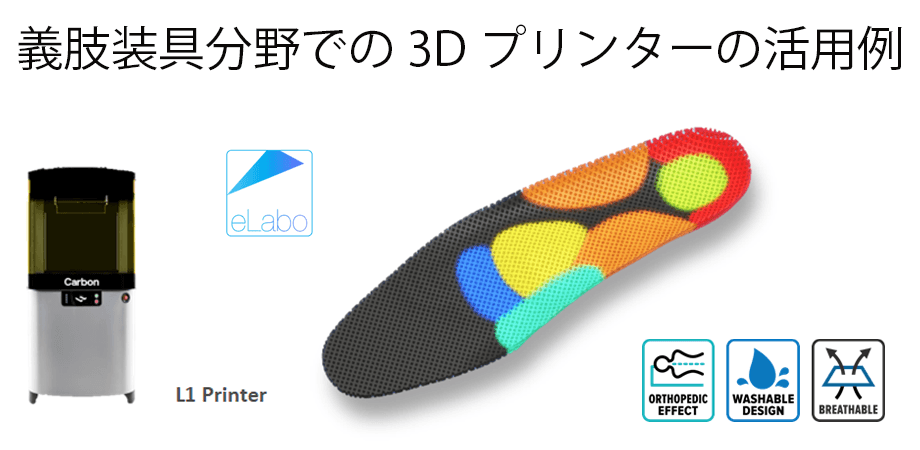
[Examples of 3D Printer Use in Prosthetics and Orthotics] Even in the field of prosthetics and orthotics, where custom-made devices are the norm, examples of 3D printer use are increasing. We will introduce a method for making an orthosis from body data scanned with an iPhone.
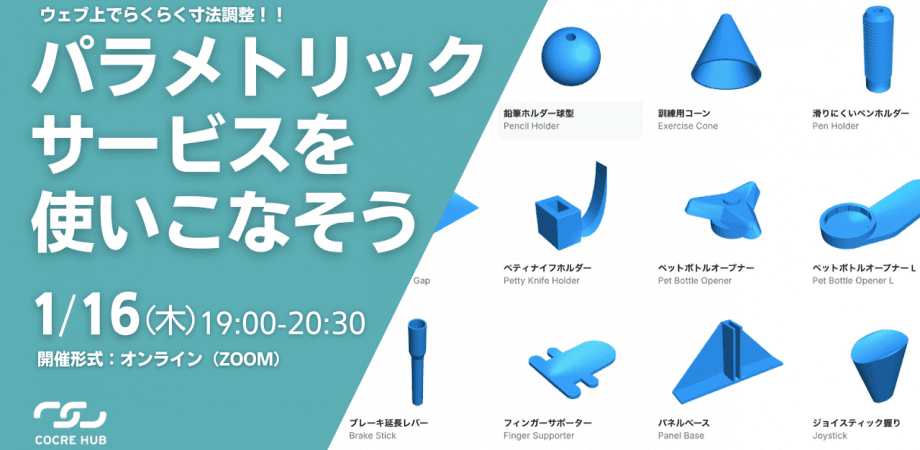
We explain in detail the background and usage of the parametric service, which generates customized 3D models with adjusted dimensions on the "COCRE HUB" platform.
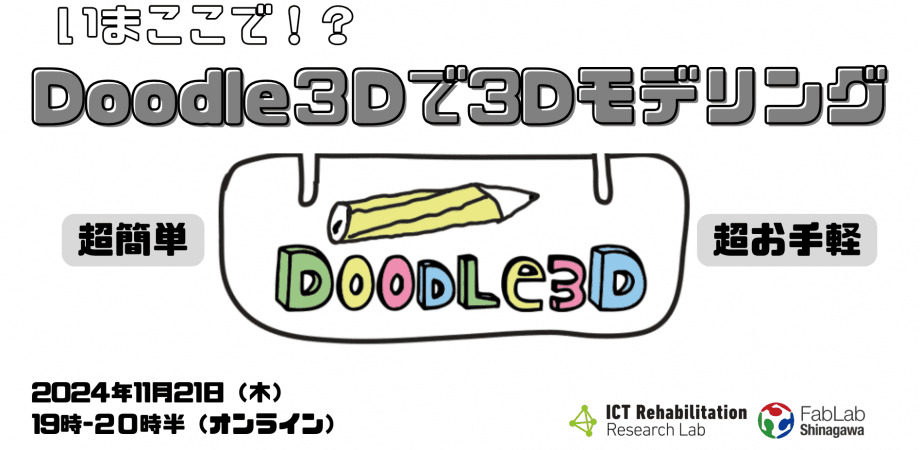
A study session on creating 3D models with Doodle3D, a browser-based "ultimate open web modeling app." A must-see for anyone who thinks "Tinkercad is a bit difficult too...", "I wish there were a modeling app children could use more easily...", "I wish there were an app that is easy to use in elderly care services...", or "I want to hold a 3D workshop in my community..." Now that 3D printers have become easier and more familiar thanks to the arrival of Bambu Lab and others, we want to promote Doodle3D.
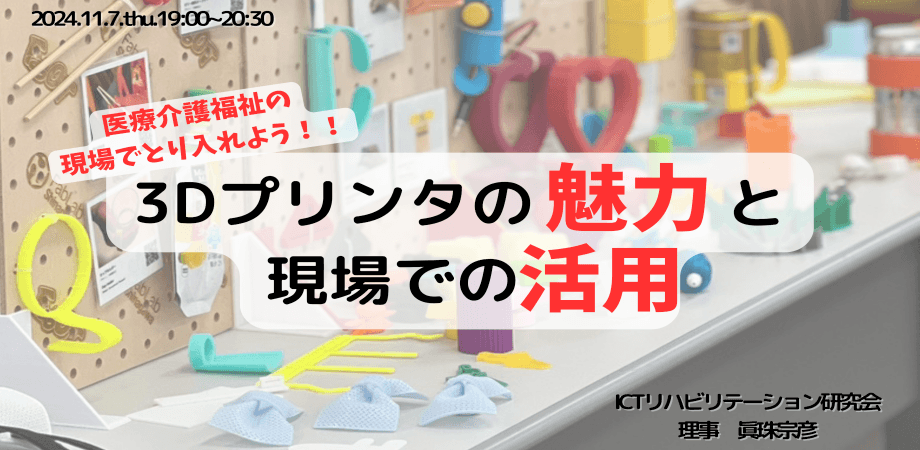
In recent years, the potential of 3D printers has expanded dramatically in healthcare and nursing care settings. Based on four years of actual experience using them in home-visit rehabilitation, this seminar explains the appeal of 3D printers and specific ways to use them. We also hear from many people who want to introduce 3D printers at medical institutions and care service providers, so we will share practical ideas that can serve as a bridge.
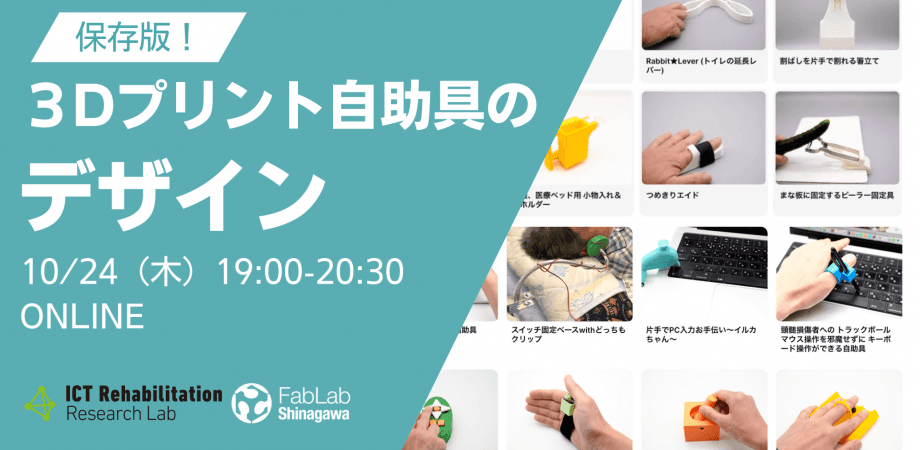
A comprehensive explanation of the characteristics of 3D printed self-help devices and the points to keep in mind when designing them.
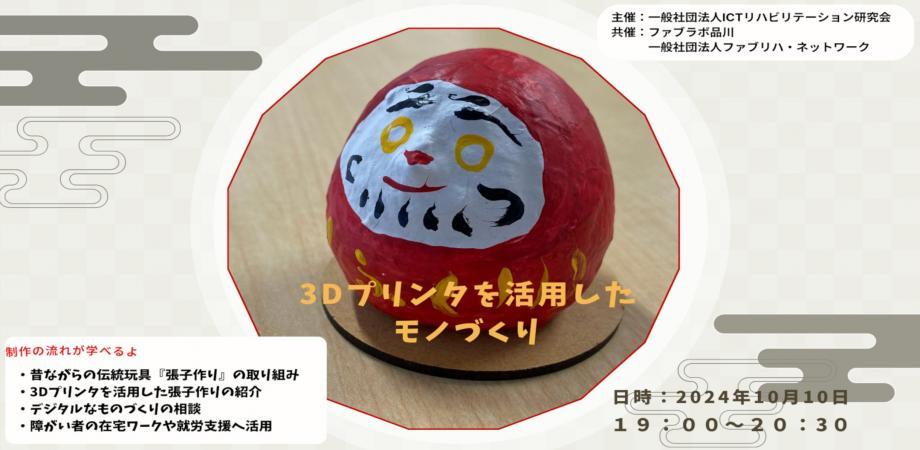
At an event on making things with 3D printers, we explain an initiative themed on hariko (papier-mâché), a traditional craft. We hope it offers hints for expanding possibilities, such as making things yourself, making them at a facility, and using them in employment support.
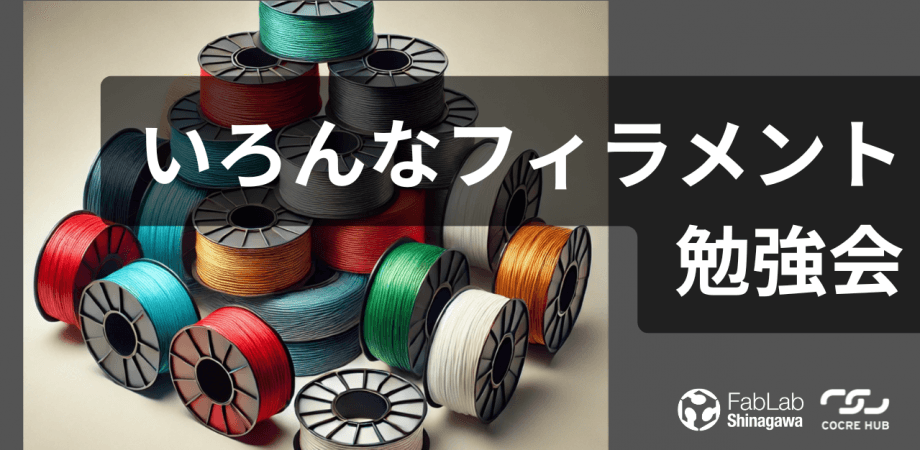
Filament is inseparable from 3D printer use. The types of filament you use day to day may not be so many, but filament makers around the world release a wide variety of materials. This time, we will share the full knowledge of FabLab Shinagawa, which, as guinea pigs of a sort, keeps testing prints with all kinds of filaments day and night.
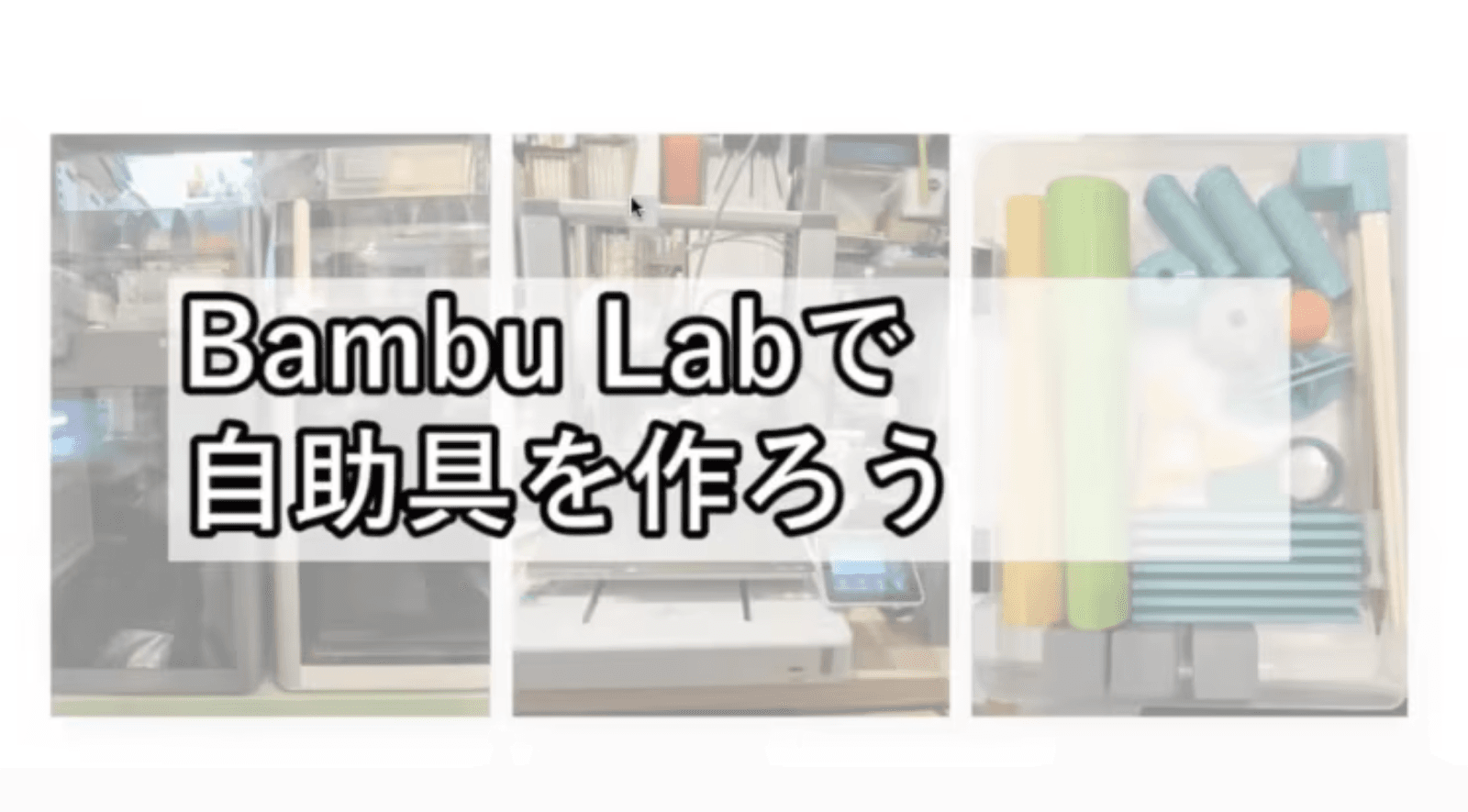
A summary of how to use slicers, apps, and the printer to make self-help devices with the much-talked-about 3D printer "BambuLab."
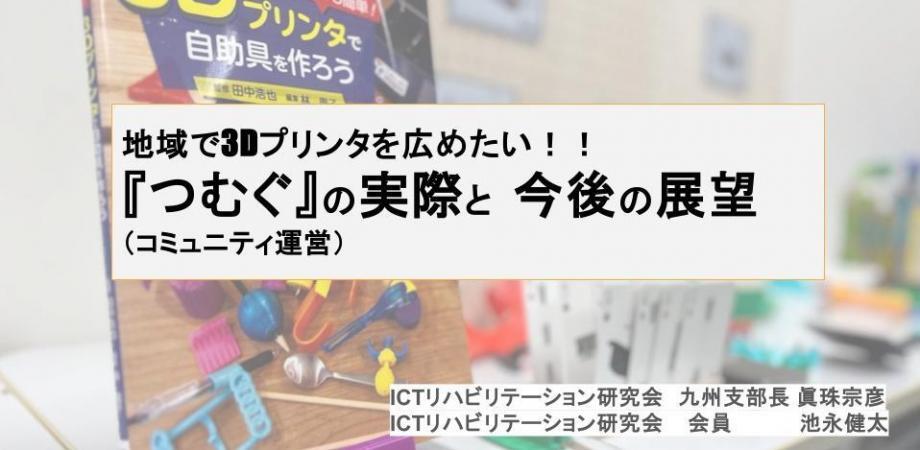
In recent years, the use of 3D printers has been spreading across various fields. In the healthcare, nursing care, and welfare industries where I work, there are also many examples of use for self-help devices, environmental adjustments, and more. In that context, I wondered whether we could do more awareness-raising about 3D printers at the community level, and so I started "Tsumugu" (Oita Prefecture), centered on a 3D printer seminar business. In this session, I would like to share how we built such a community, our actual activities and results, and our future outlook.
A hands-on ChatGPT study session for absolute beginners. Let's learn the methods and key points while operating it together!
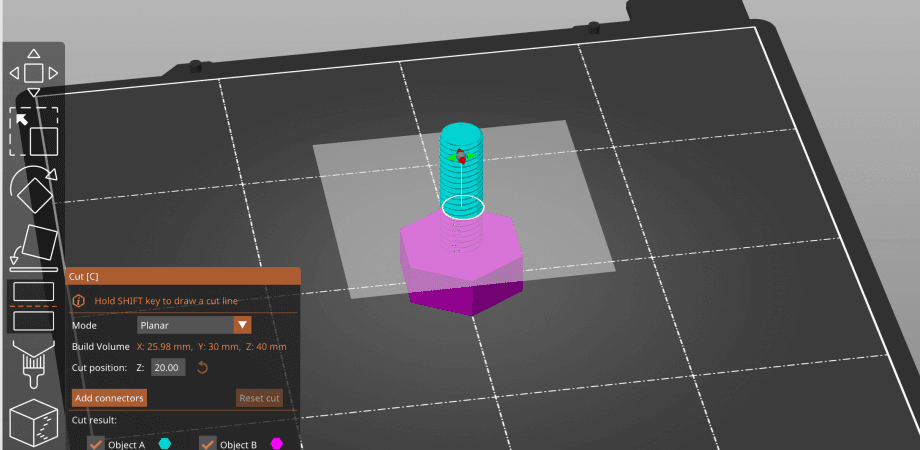
A study session on Prusa Slicer, the open-source slicer software released by Prusa Research of the Czech Republic. This content is for those who want to dig in and learn together, from basic operations to advanced use. We will introduce many interesting features that differ from Cura, the slicer software provided by Ultimaker and used by many people, and share examples. *If you need a slicer app, please install it beforehand.
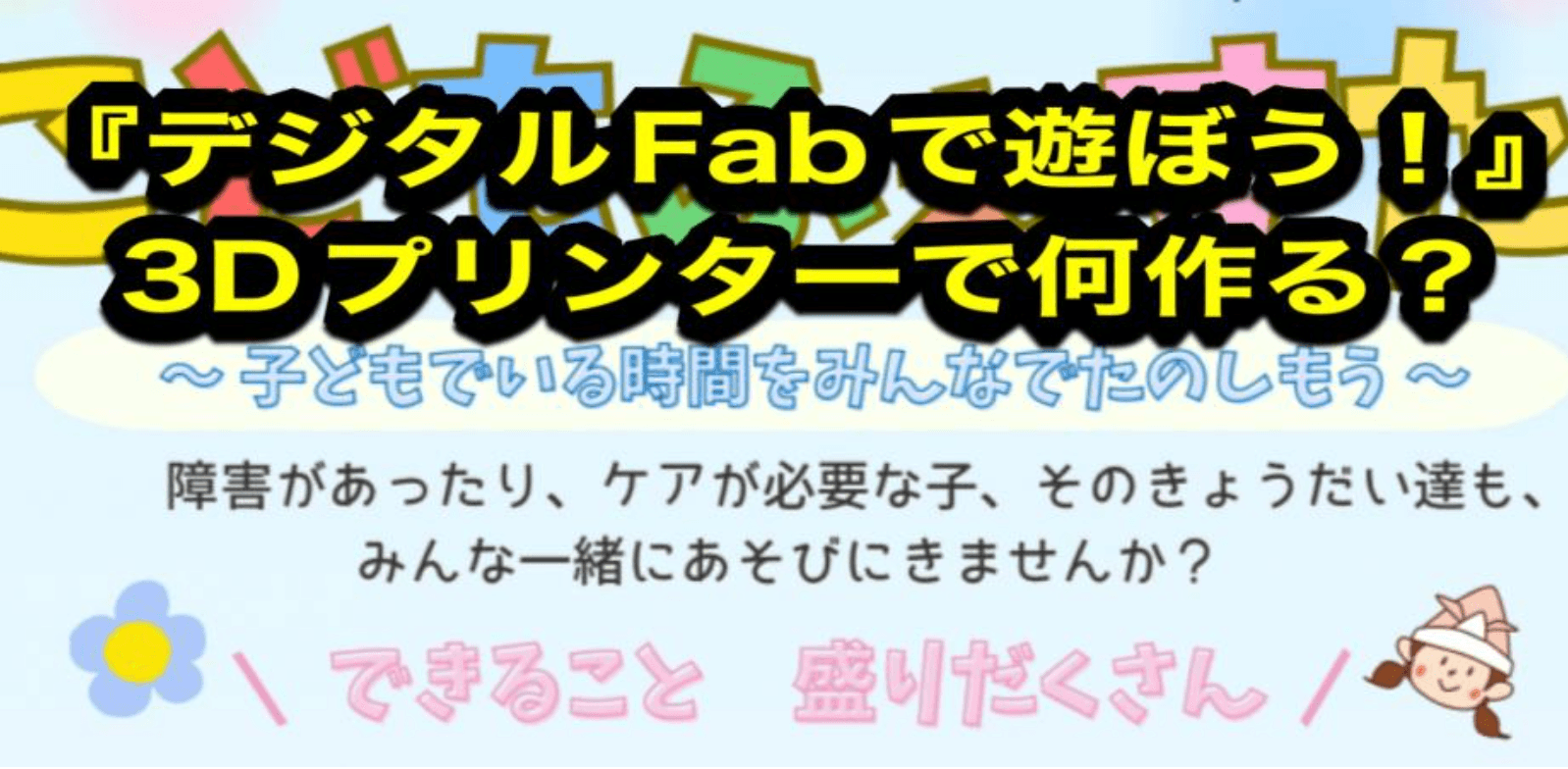
At an event themed on play, we explain how 3D printers were used and the steps followed in creating things. Provided by: ICT Rehab Study Group Tohoku Branch
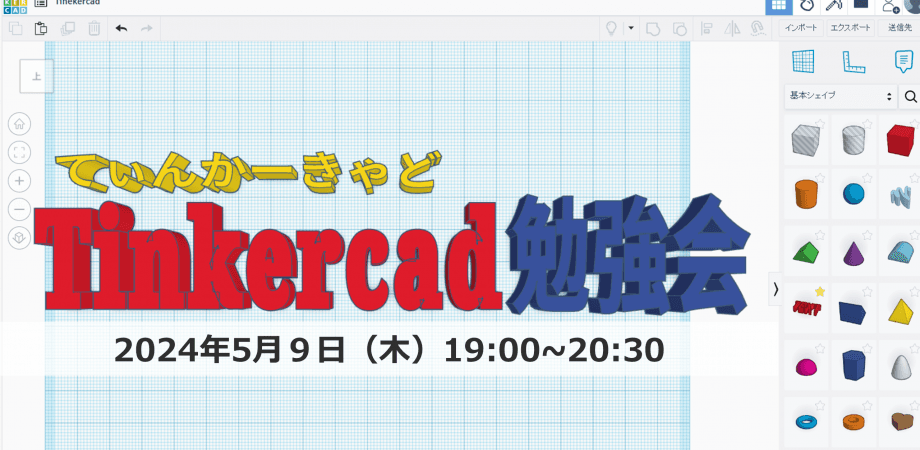
An introduction to Tinkercad, a 3D modeling tool that is friendly even to first-time users. Provided by: ICT Rehab Study Group Kyushu Branch
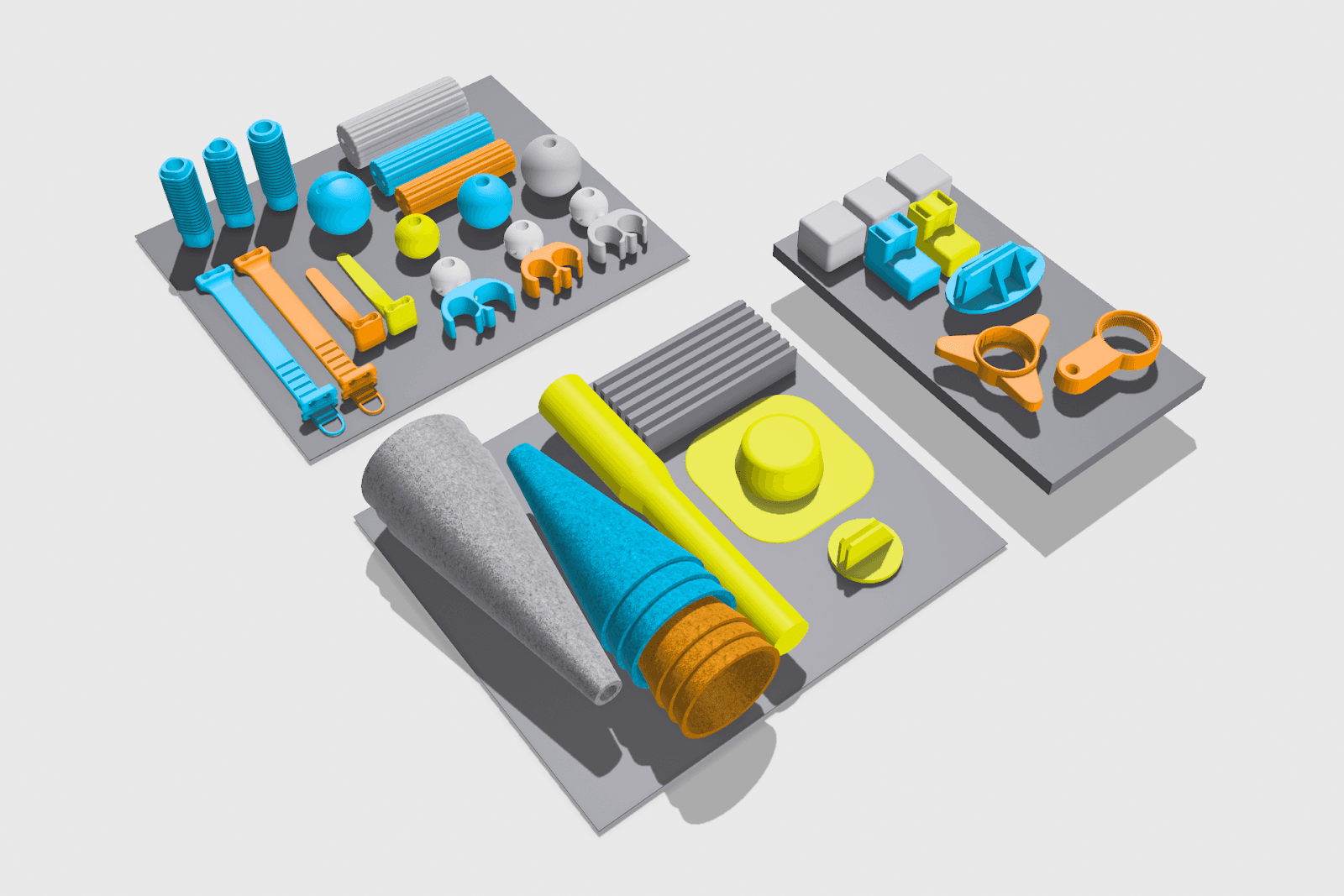
This session is for people who want to dig in and learn together, from basic operations to advanced use.
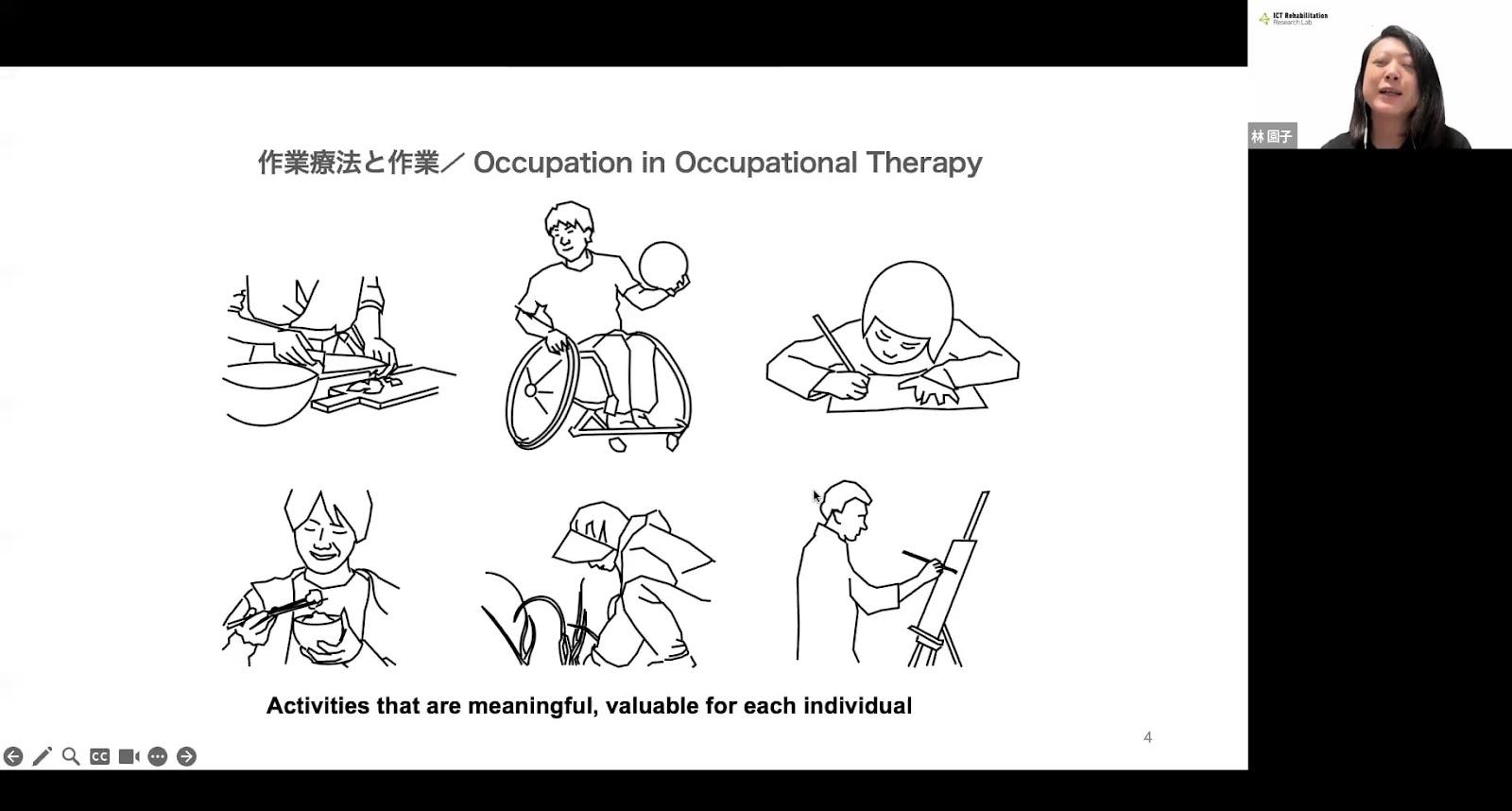
We introduce the details of COCRE HUB, the platform launched in 2023 for people who make self-help devices with 3D printers.
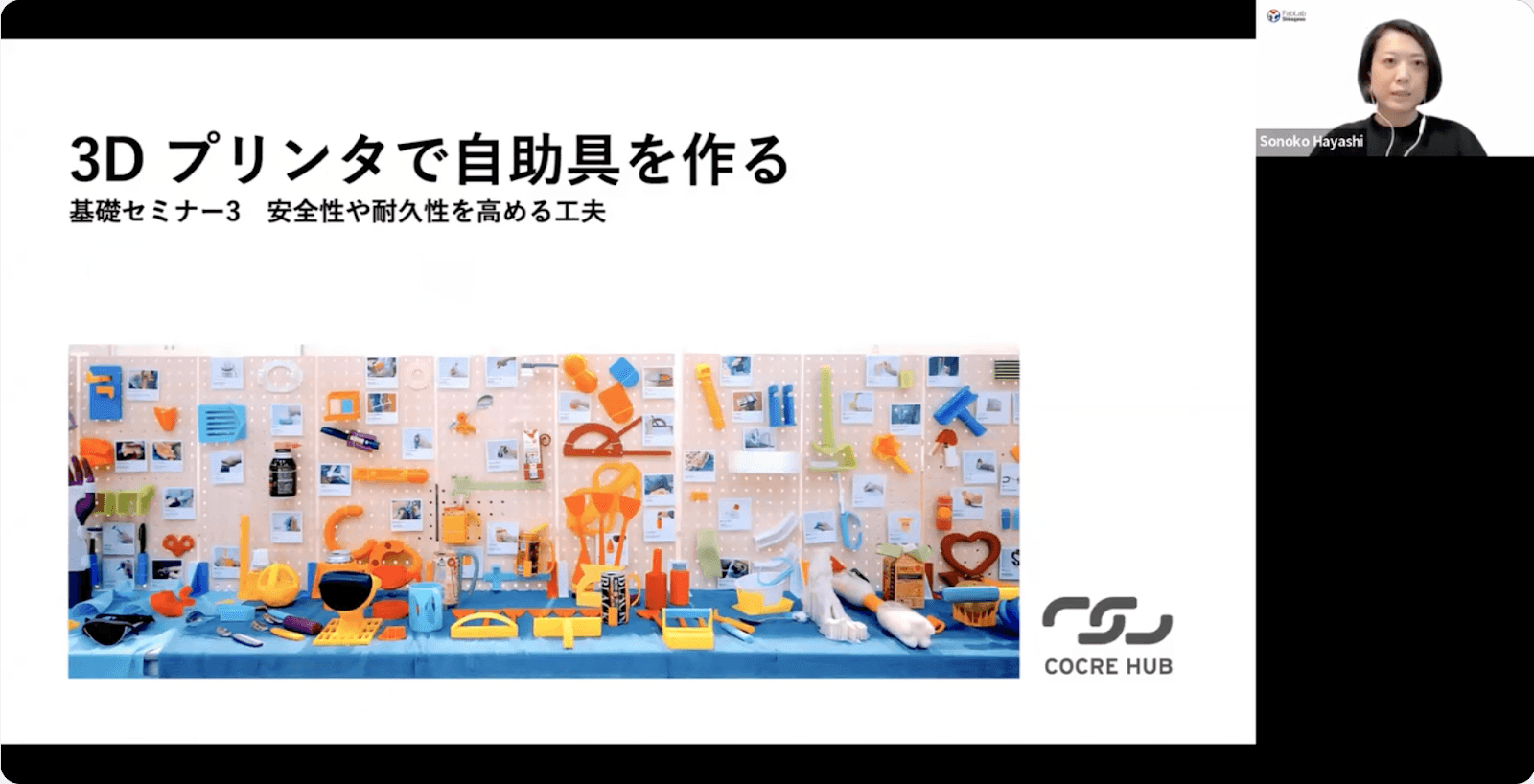
Following the contents of Cheat Sheet 3 provided by COCRE HUB, we teach about ensuring safety and durability in 3D printing.
Following the contents of Cheat Sheet 2 provided by COCRE HUB, we teach about the materials called filaments used in 3D printing.
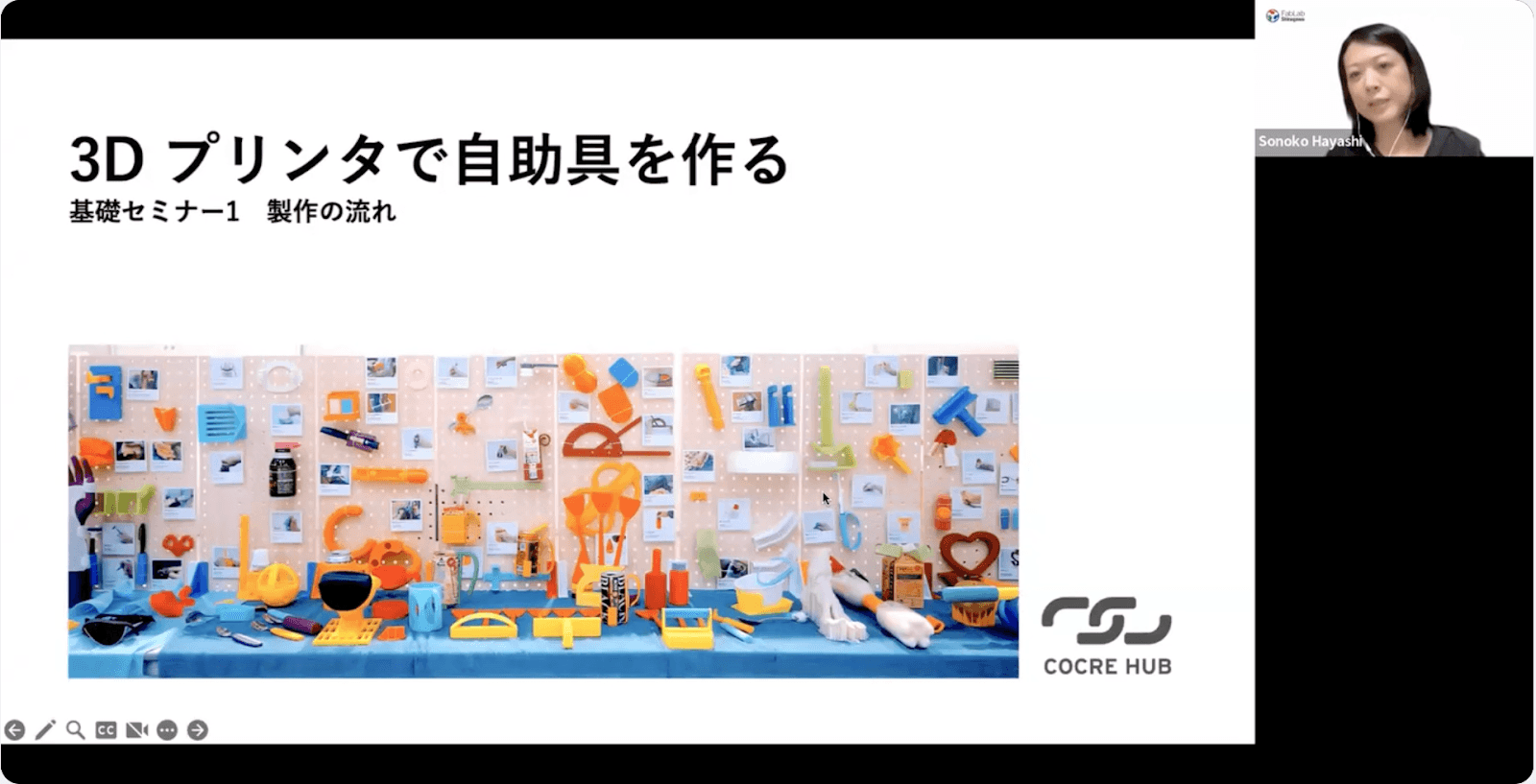
Following the contents of Cheat Sheet 1 provided by COCRE HUB, we teach the basics of 3D printing.